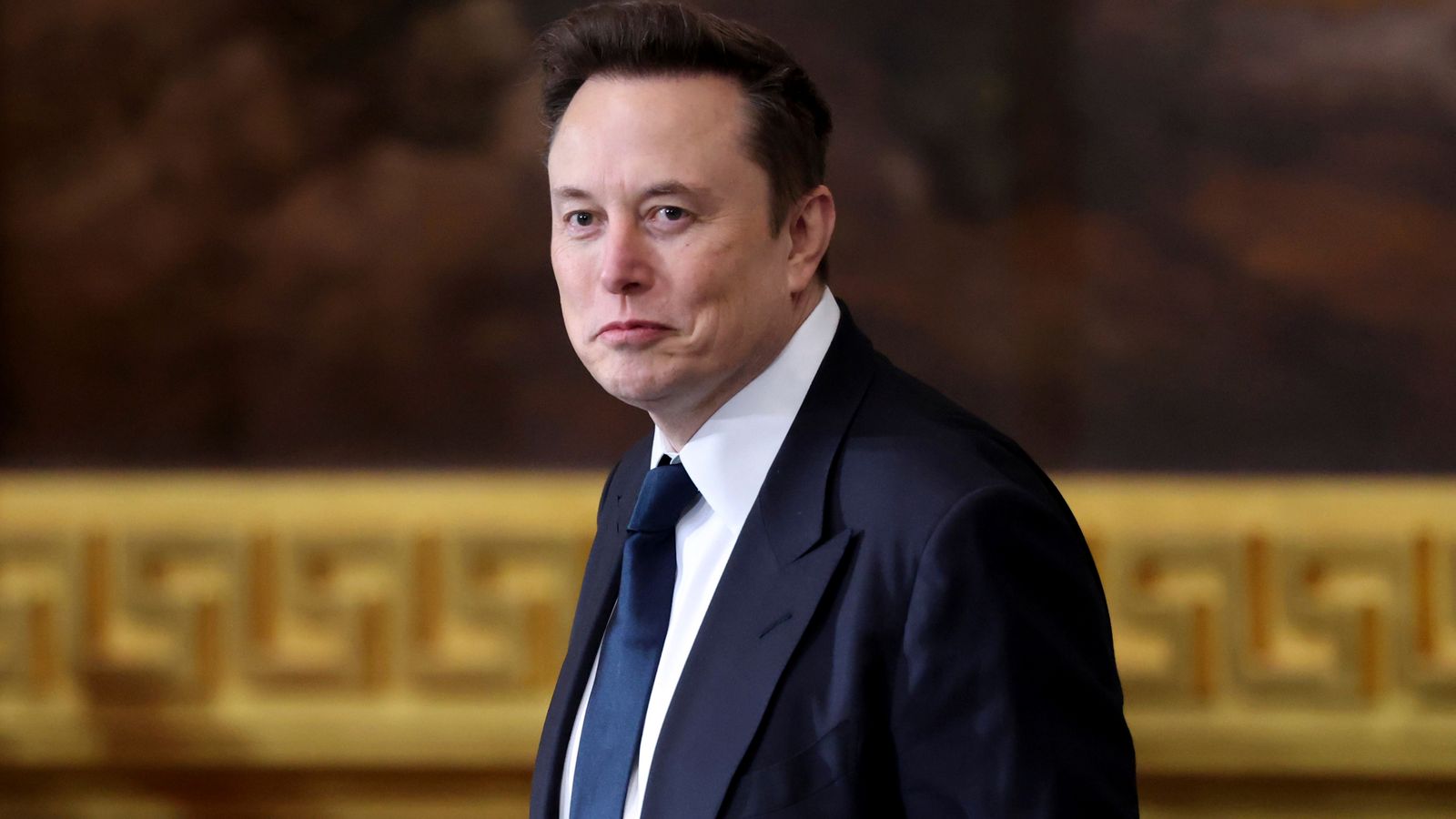
CapIn - In a significant development within the artificial intelligence (AI) sector, Elon Musk, leading a consortium of investors, has made a $97.4 billion offer to acquire OpenAI's controlling non-profit entity. This move has intensified the ongoing dispute between Musk and OpenAI's CEO, Sam Altman, concerning the organization's direction and foundational mission.
Background of the Dispute
Elon Musk and Sam Altman co-founded OpenAI in 2015 with the mission to develop AI technologies that benefit humanity. Initially established as a non-profit, OpenAI aimed to promote open-source research and prioritize safety in AI development. However, in 2018, Musk departed from OpenAI's board, citing potential conflicts of interest with his other ventures, notably Tesla. Reports suggest that Musk's exit was also influenced by internal disagreements over control and the organization's strategic direction. citeturn0search1
Following Musk's departure, OpenAI transitioned to a "capped-profit" model, attracting significant investments from entities like Microsoft. This shift has been a point of contention, with Musk expressing concerns that OpenAI has strayed from its original mission by prioritizing profit over open-source, safety-focused AI development. citeturn0search0
The Recent Acquisition Bid
In early February 2025, Musk's consortium, which includes his AI company xAI and various venture capital firms, submitted a $97.4 billion bid to acquire OpenAI's controlling non-profit arm. The stated objective of this bid is to revert OpenAI to its foundational principles of open-source research and safety-centric AI development. citeturn0news13
Sam Altman promptly rejected the offer, responding with a counterproposal to purchase Musk's social media platform, X (formerly Twitter), for $9.74 billion—a tenth of Musk's bid. This exchange underscores the deepening rift between the two tech leaders. citeturn0news14
Legal and Strategic Implications
Musk's acquisition attempt coincides with his ongoing legal action against OpenAI. In March 2024, Musk filed a lawsuit alleging that OpenAI's shift towards a for-profit model, particularly its partnership with Microsoft, betrayed its original non-profit mission. The lawsuit seeks to compel OpenAI to adhere to its founding principles and prevent the commercialization of technologies developed under its non-profit framework.
Industry experts have characterized Musk's recent bid as a strategic maneuver that could complicate OpenAI's future plans, especially its ongoing fundraising efforts. By assigning a market valuation through his bid, Musk may influence investor perceptions and impact Altman's strategy to secure additional capital for OpenAI's initiatives.
Broader Industry Impact
This high-profile dispute highlights the challenges and ethical considerations inherent in AI development and governance. The tension between maintaining open-source, safety-focused research and pursuing commercial interests reflects broader debates within the tech industry. As AI technologies become increasingly integral to various sectors, the outcomes of such disputes could have significant implications for how AI is developed, regulated, and utilized globally.
In conclusion, Elon Musk's bid to acquire OpenAI represents a pivotal moment in the AI industry's evolution. The unfolding events will be closely monitored by stakeholders across the tech ecosystem, given their potential to reshape the landscape of AI governance and development.
Comments
Post a Comment